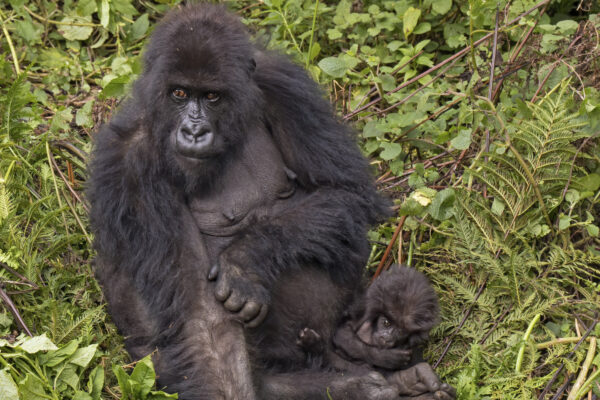

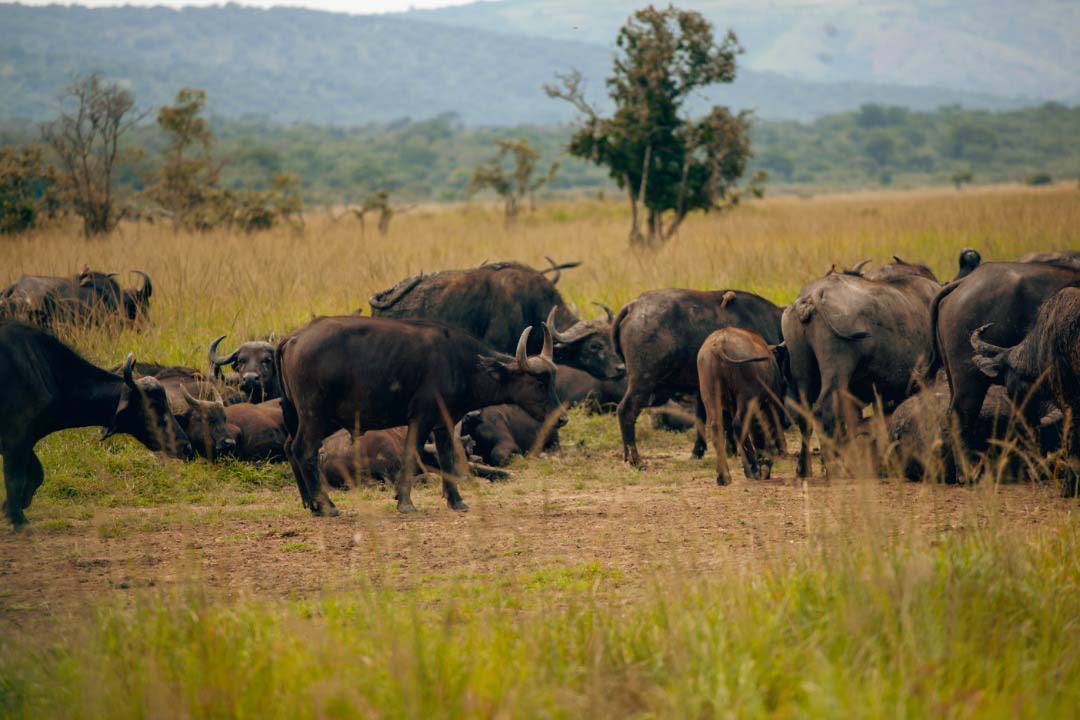
When many people hear about tourism in Rwanda, they quickly think of gorilla trekking, Akagera safaris, or Nyungwe forest adventures. These national parks are beautiful and important, but Rwanda has much more to offer. Beyond wildlife, the country is full of culture, history, creativity, lakeside beauty, and everyday experiences that show the real heart of the “Land of a Thousand Hills.
One of the best places to begin is Kigali, Rwanda’s clean and growing capital city. Kigali is not just a stopover before visiting the parks; it is a destination on its own. Visitors can explore local markets, art galleries, cafés, memorial sites, and neighborhoods that reflect modern Rwandan life. A walk through places like Kimironko Market or Nyamirambo gives tourists a chance to see local fashion, food, crafts, and daily community life.
For those interested in history, the Kigali Genocide Memorial is one of the most meaningful places to visit. It honors victims of the 1994 Genocide against the Tutsi and helps visitors understand Rwanda’s painful past, as well as its journey toward peace and reconciliation. Visit Rwanda notes that the memorial at Gisozi is also the burial place of 250,000 victims.
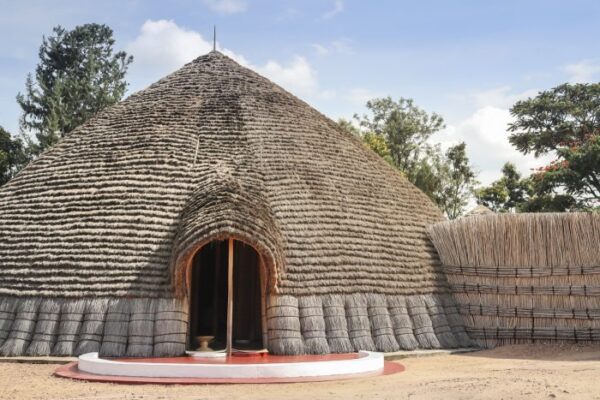
Another powerful experience is Rwanda’s cultural heritage route. In Nyanza, the King’s Palace Museum introduces visitors to Rwanda’s royal history, traditional architecture, and the famous Inyambo long-horned cattle. Nearby, the Ethnographic Museum in Huye displays historical, artistic, archaeological, and cultural collections that help explain Rwandan identity and traditions.
Rwanda’s beauty also shines along Lake Kivu, one of the most relaxing destinations in the country. Towns such as Rubavu, Karongi, and Rusizi offer peaceful lake views, boat rides, beaches, coffee experiences, and beautiful sunsets. Visit Rwanda describes Karongi as a popular beach resort, with hillsides and calm lake scenery creating a peaceful escape.
Beyond parks, Rwanda is also a place for slow travel. A visitor can enjoy a cup of Rwandan coffee, buy handmade crafts, taste local food, attend a cultural performance, or simply travel through the hills and admire the organized villages and green landscapes. These smaller experiences may not always appear on safari posters, but they often become the memories visitors keep the longest.
In the end, Rwanda should not only be seen as a wildlife destination. It is a country of stories, resilience, creativity, hospitality, and natural beauty. The national parks may bring many people to Rwanda, but the culture, people, cities, lakes, and heritage sites are what make them want to stay longer.